1 Cheap Material = Expensive Regrets
The Trap
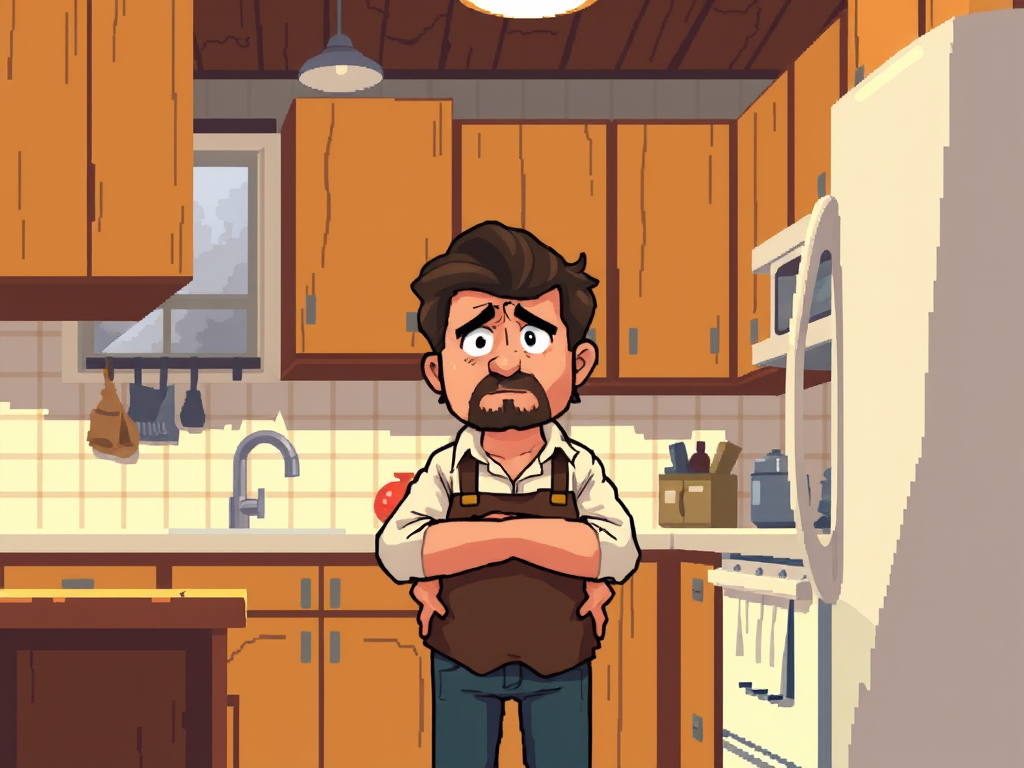
Most people think most good companies are quoting very high, and the carpenter or interior designer they know is doing it for very low cost, but the unfortunate truth is the big percent of budget interior designer do not understand quality and durability, they only want to deliver. An interior design is generally is used for 20-30 years most of the time, for such long duration you cannot compromise on quality of materials we use, but these are expensive, which is why the cost.
How to Avoid
Always go with someone you know as trust worthy, or big brand with promising warrenty.

2. Hiring Without a 3D design
The Trap
You approve a kitchen on paper. After execution, it’s too dark, too cramped, or the colour looks different. Changes now cost ₹50K–₹1L to redo.
How to Avoid
Never approve any carpentry or major work without a 3D design first. Any decent designer will provide this. If they don’t offer it — walk away.
3. The Plywood Substitution Scam
The Trap
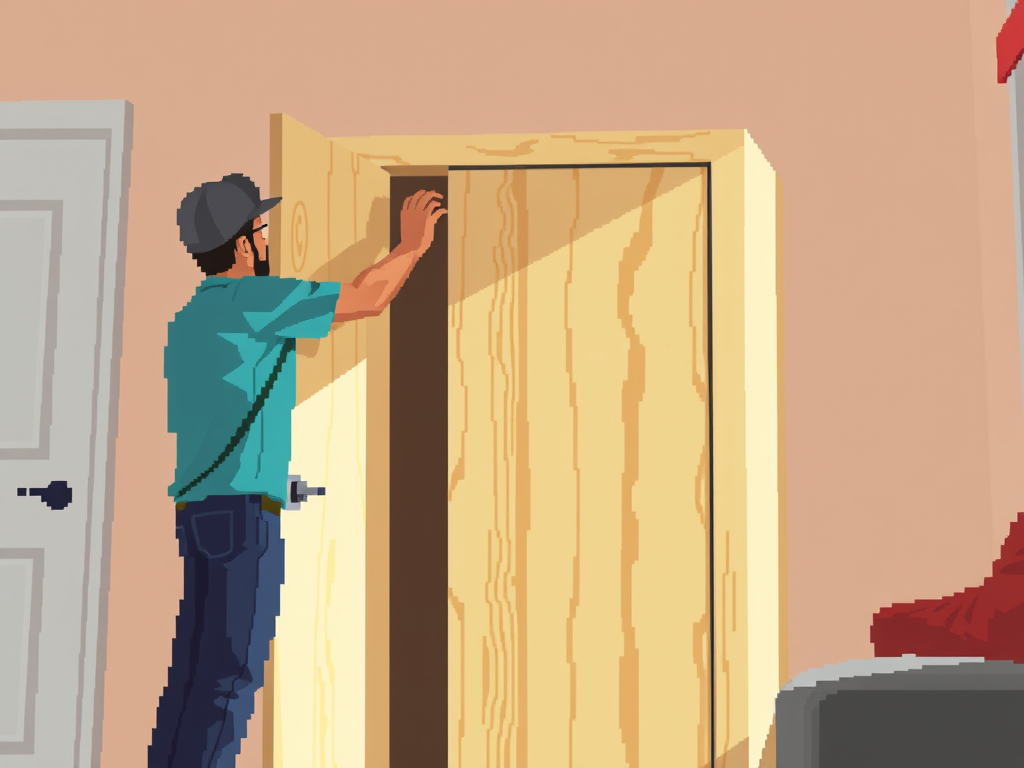
Your quote says “18mm BWR plywood.” On site, they use 12mm or non-certified ply. You won’t notice until your wardrobe sags 2 years later.
How to Avoid
Insist on brand + thickness + IS code in your contract. Visit the site when materials arrive. Ask for invoices of purchased materials. ISI mark should be visible on every sheet.

4. Not Getting Everything in Writing
The Trap
“He said he’d include the loft.” “She promised the TV unit has a wire management panel.” Verbal promises mean nothing when there’s a dispute at handover.
How to Avoid
Every single commitment — materials, sizes, colours, inclusions — must be in the signed contract. If it’s not in writing, assume it’s not included. No exceptions.

5. The “Low Quote, High Execution” Trap
The Trap
A contractor quotes ₹5L to win your business. Once work starts, costs balloon to ₹9L with “material price hikes” and “scope additions” you didn’t ask for.
How to Avoid
Always demand a 100% itemised quote with material brands, quantities, and unit rates specified. Get a fixed-price contract — not a “cost + percentage” deal.
